
Peptide Stacking 101: How to Combine Peptides Safely (2026)
Quick Answer
Peptide stacking means using two or more peptides simultaneously so their mechanisms complement each other. The safest approach is to choose peptides that target different receptors, start with one compound before adding a second, cycle on and off to prevent receptor desensitization, and never stack two peptides that compete for the same pathway. Two to three peptides is the practical ceiling for most protocols. Larger stacks should be reserved for advanced users who understand how to monitor interactions, side effects, and cumulative biological load. Stacked protocols also need the union of the component blood panels, so see Blood Work for Peptides.
Why This Guide
Most stacking guides online are written by peptide suppliers pushing pre-blended products. They skip evidence context, gloss over contraindicated pairings, and rarely explain why certain combinations work while others waste money or amplify side effects. This guide covers the mechanistic logic behind effective stacking, safety rules, goal-specific stacks, combinations to avoid, and a cycling framework that keeps receptor sensitivity intact.
Every stack referenced here has a dedicated protocol page on Peptide Dosing Protocols with dosing math, reconstitution tables, and evidence context.
Use this as a practical checkout checklist: start with a reviewed supplier, add baseline blood testing, then gather the common supplies you need before ordering.
Vetted Supplier Shopping Cards
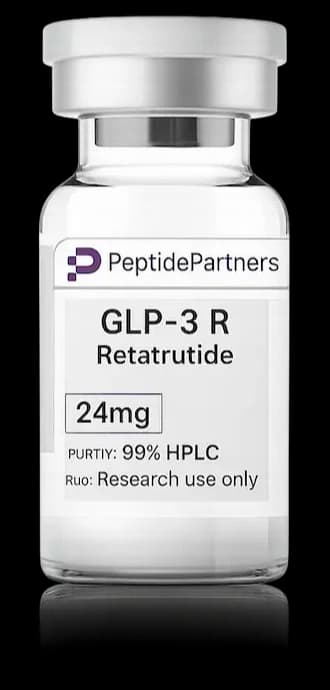
Peptide Partners

At-Home Blood Test
More Supplies
Disclosure: supply links may earn PepPal a commission at no cost to you.